⚙️ Operations workflow automation for recurring request work
When requests and approvals are scattered, teams miss deadlines. Launch one shared queue with clear owners in 7–14 days.
Built for service operations, internal operations, and delivery teams that run repeatable work. Move from inbox and spreadsheet chaos to one intake path, one owner per request, and one place to track approvals.
ICP: Service ops, internal operations, and delivery teams managing high-volume recurring requests.
Start with one high-friction process first. Then measure cycle time, exception volume, and rework before scaling to more workflows.
Pricing from Silver.
Guided setup is included. Most teams launch one production workflow before expanding.
Best fit
- • Service ops teams handling recurring customer and internal requests.
- • Internal ops teams that need clear owner assignment and approval routing.
- • Delivery teams managing repeatable request intake across inboxes/forms.
Not for you yet
- • Teams without repeatable request intake or recurring approval work.
- • Teams expecting an instant full-suite replacement on day one.
- • Teams unwilling to assign one internal owner for launch decisions.
What breaks today — and what changes after launch
- Before: Requests live across chat, email, and spreadsheets, so teams spend hours chasing status.
- After: Every new request enters one queue with ownership assigned immediately.
- Before: Approvals stall because handoffs are manual and no one knows who is next.
- After: Approval steps, reminders, and escalation rules run automatically once configured.
- Before: SLA risk is found too late, usually after an escalation.
- After: Managers can monitor queue health and bottlenecks in one live view.
Choose your first workflow
Pick one high-friction request path first. Launch fast, prove the KPI, then expand.
Onboarding delays
Who it is for: Revenue ops and account managers.
Trigger: Signed proposal or completed intake form.
What changes after launch: Every onboarding request enters one queue, gets an owner, and receives automatic kickoff reminders.
KPI: Time to first customer kickoff.
SLA misses
Who it is for: Support leads and delivery coordinators.
Trigger: Priority request submitted from inbox or form.
What changes after launch: Requests are routed to owners immediately, approvals follow the right path, and escalations fire before SLA breaches.
KPI: SLA breach rate.
Purchase approvals
Who it is for: Procurement operations and finance controllers.
Trigger: New purchase request from form, CSV, or API.
What changes after launch: Requests follow one approval route, handoffs are visible, and approvals stop stalling in chat threads.
KPI: Request-to-order cycle time.
Internal policy decisions
Who it is for: Team leads and PMO teams.
Trigger: Policy decision request submitted in portal or chat.
What changes after launch: Decision requests get owner assignment, approval routing, escalation, and complete activity history in one place.
KPI: Approval turnaround time.
Proof from real operations workflow pain points
What teams standardize first
- • Customer escalation triage and routing
- • Purchase request to approval and order release
- • Internal policy approvals with evidence capture
Proof metrics to track after launch
- • Fewer manual handoffs and status checks
- • Faster approval and response cycle time
- • Better compliance evidence through complete activity history
Outcomes you can measure in quarter one
35%
fewer manual status follow-ups
28%
faster cycle time for recurring processes
2–4 hrs
saved per coordinator each week
Pilot targets disclaimer
These pilot targets are directional, not guaranteed. Your measured results depend on baseline process quality, team adoption, and live production data.
Before
- • Requests move between inboxes with no single queue.
- • Approvals happen in chat with no audit trail.
- • Teams react to delays instead of preventing them.
After
- • Work enters one workflow queue with clear owners.
- • Routing, approvals, and escalations can run automatically once configured.
- • Live dashboards can flag SLA risk when relevant data sources are connected.
Start with one workflow (concrete path)
- Use one request intake form so work enters a shared operations queue instead of scattered chat/email threads.
- Assign one owner, require approval when needed, and trigger reminders/escalations automatically.
- Track queue status, overdue items, and completion in a live dashboard with auditable activity history.
Trust signals (no fictional testimonials)
Internal effort required from your side
Plan for one operations owner, one backup approver, and one weekly 30-minute review in the first month. That is typically enough to keep owner assignment, approval routing, and escalation rules healthy.
Founding customer pilot program
Limited pilot slots for teams willing to co-design workflows and approve a short result summary after go-live.
- • Discounted or free pilot options based on scope.
- • 30-minute review interview after initial launch.
- • Optional approved quote or anonymized reference profile.
FAQ
Will this replace our current tools?
No. Start by automating one process and connect existing tools around it.
How much internal effort is required?
Most SMEs assign one operations owner and one backup for setup and weekly tuning.
Is this too advanced for a 20-person company?
No. The package is built for lean teams and starts with preconfigured workflows.
Can we track ROI quickly?
Yes. Measure cycle time, SLA misses, and manual touchpoints from week one.
Start with one controlled workflow, then expand
Use the default ops flow to prove value in one queue before rolling out broader automation.
See the implementation path and platform details
For teams ready to review setup steps, architecture, and terminology after evaluating fit.
1) Install the package
Install Pack #23 from Robo Store.
2) Connect systems and owners
Connect intake sources, involved teams, and owner assignment rules.
3) Run the first workflow
Launch one live request flow, then expand to adjacent queues.
Included workflow previews
Procurement and ops approvals
Standardize purchase requests, approvals, and handoffs.
- • Route requests to the right manager automatically.
- • Apply limits and validation rules by budget or category.
- • Keep activity history for every decision.
Inventory & operations sync
Make sure stock, orders, and tasks stay in sync.
- • Trigger updates when requests are approved or completed.
- • Push changes into your existing inventory, WMS, or ERP tools.
- • Prevent lost requests that never reach execution.
Live operations KPI dashboard
See bottlenecks and SLA risk without waiting for weekly reports.
- • Track cycle time, queue size, and SLA breaches in real time.
- • Drill into blocked tasks and escalation patterns.
- • Share one live view with managers and team leads.
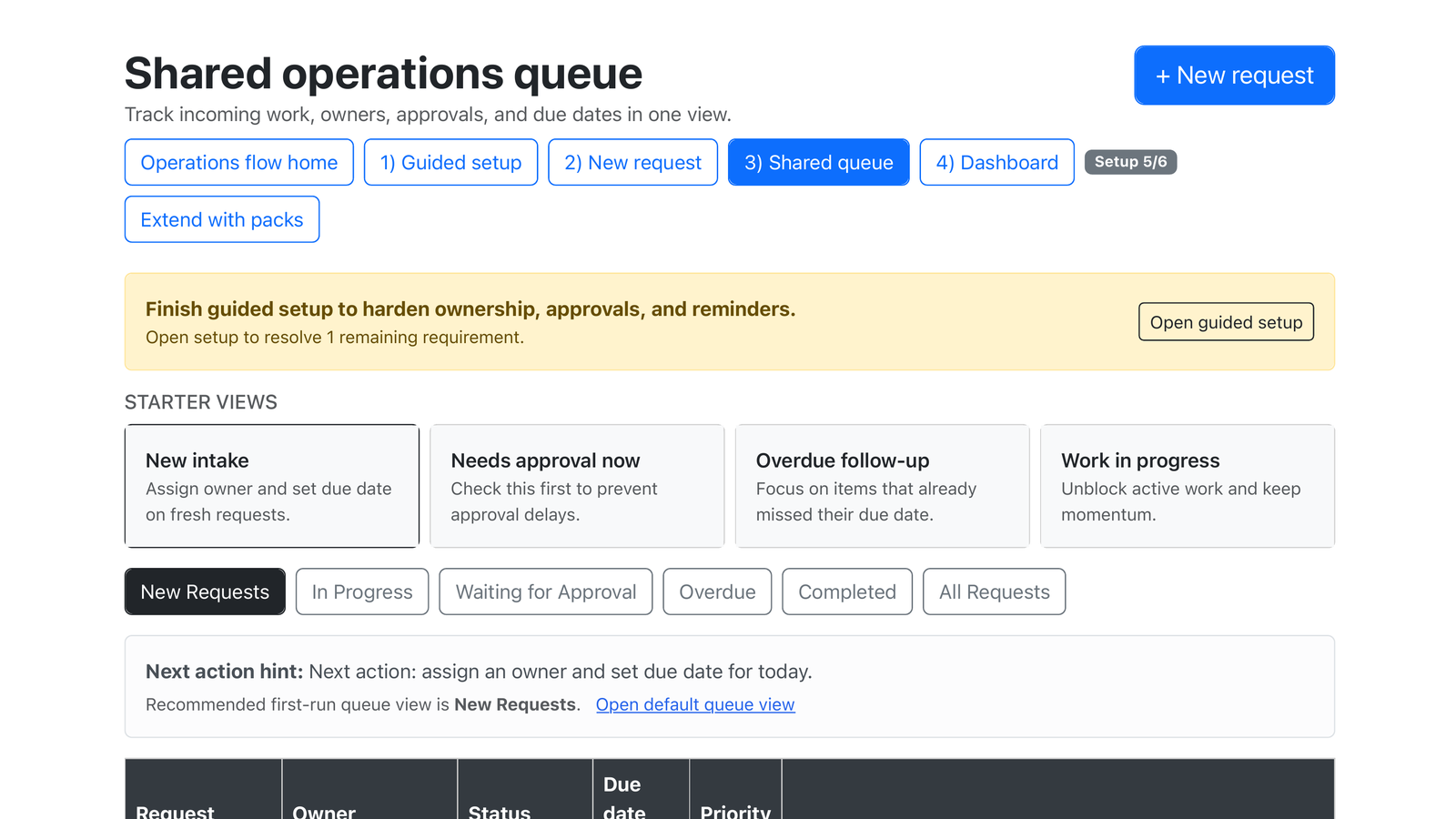
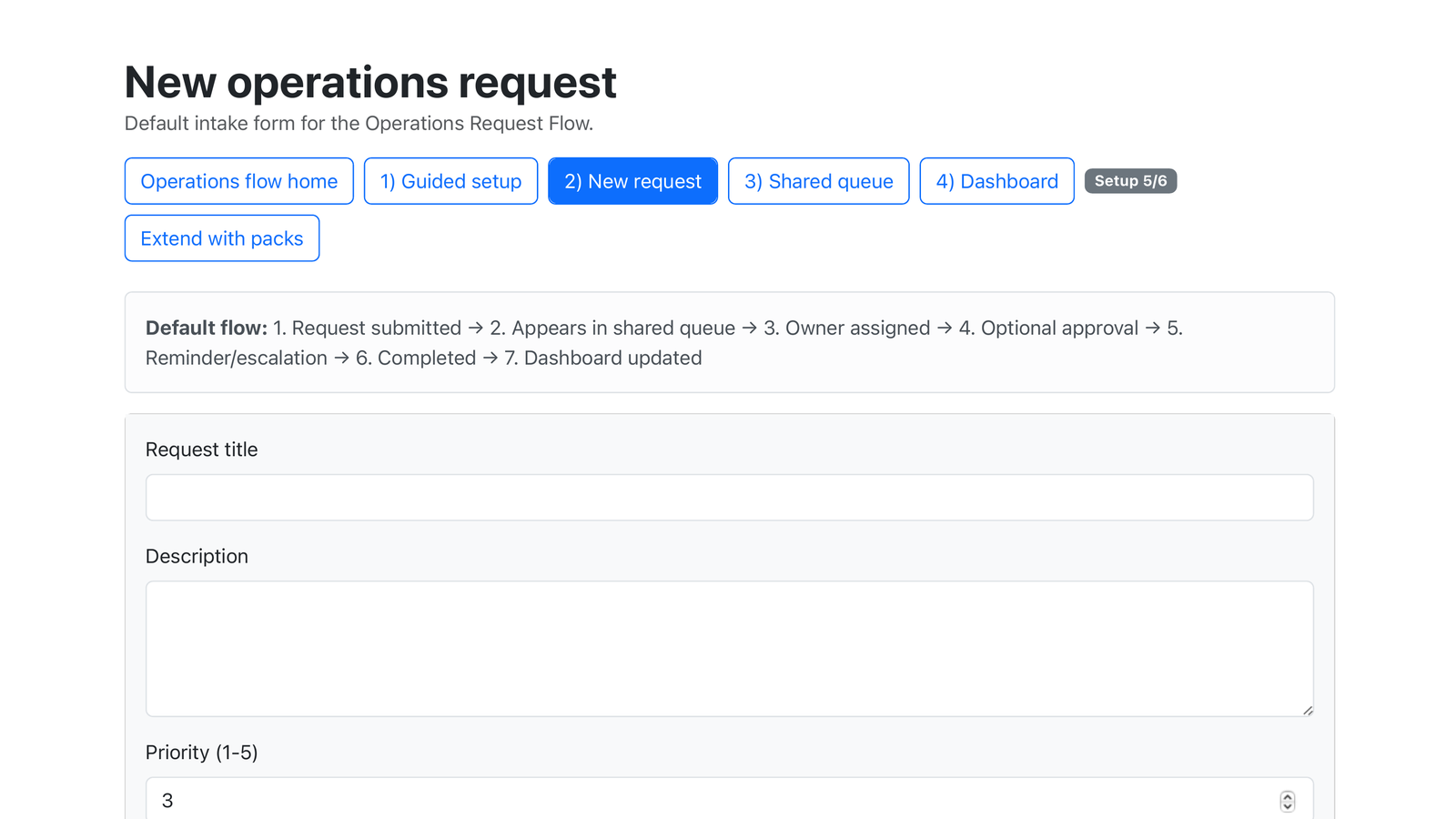
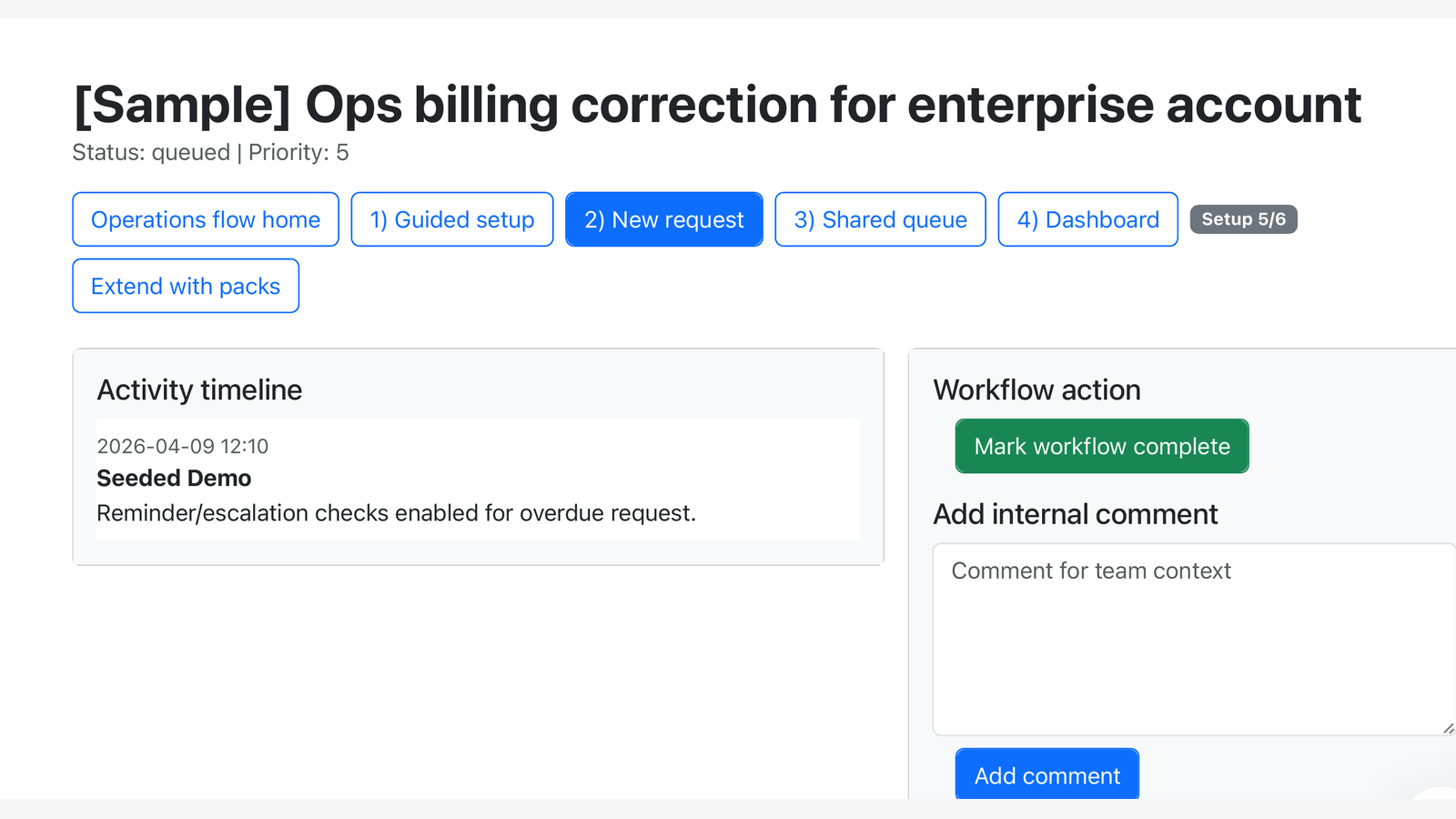
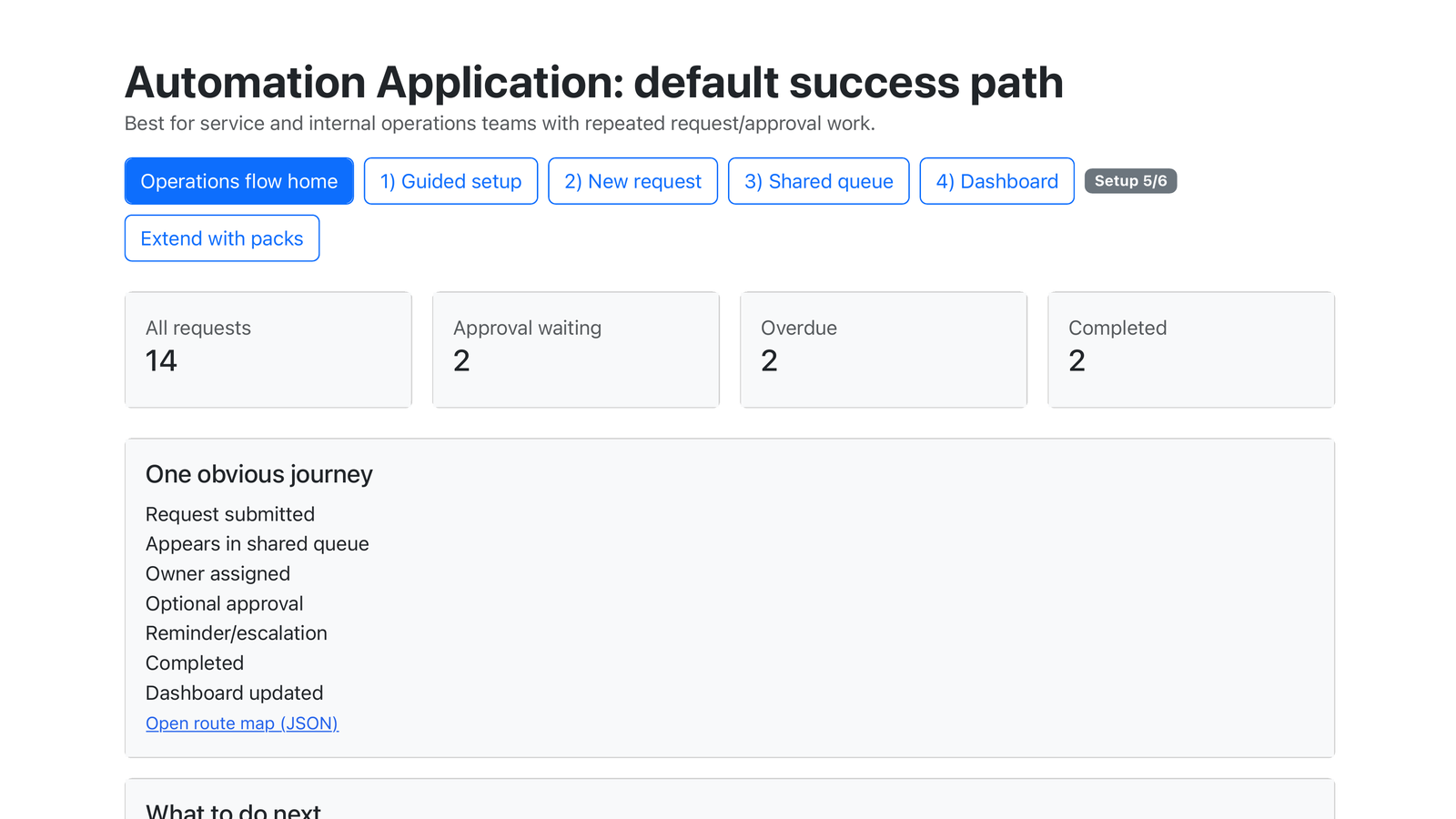
Management app screenshots
Preview modules delivered in the automation management package.
Works with your stack (with guided setup)
Common examples: Gmail/Outlook intake, Slack/Teams notifications, CSV imports, and webhook/API triggers. Setup effort depends on your current tooling and data quality.
Inbox
- • Gmail
- • Outlook
Chat
- • Slack
- • Microsoft Teams
PM tools
- • Jira
- • Task boards
Webhooks / API
- • Web forms
- • CSV imports
- • REST API
Implementation plan (typical, varies by complexity)
Week 1
Connect data: inboxes, intake forms, existing owner roles, and baseline KPIs.
Week 2
Run workflow + dashboard: ship one live flow and verify SLA + throughput visibility.
Week 3
Scale / add workflows: expand to adjacent queues with templates and guardrails.
Time-to-value expectations (not a fixed go-live promise)
Some teams launch a first workflow in 2-4 weeks with active onboarding; timing depends on integrations, approvals, and data readiness.
Works even when integrations fail
If an API, inbox, or device is unavailable, the Workflow does not stop. Robo Meister routes the step to a safe Fallback path, alerts the right owner, and keeps the Audit Trail complete.
Hybrid execution
Hybrid automation with fallback: AI, people, integrations, and devices work together with audit trails. The platform picks the best Executor for each step and can switch automatically when conditions change.
Terminology
- Workflow: an executable business process.
- Pack: installable set of workflows, rules, templates, and integrations.
- Executor: who or what performs a step (AI, employee, SaaS, or device).
- Fallback: automatic switch to another Executor when needed.
- Audit Trail: evidence of what happened, when, and why for compliance reviews.
Explore related solutions
Optional next reads if your team is evaluating adjacent workflows.