Known limitation
The pilot is intentionally limited to one supplier catalog and one order-to-delivery workflow.
Ecommerce operators and agencies launching supplier-backed stores
Install the storefront baseline, then run one catalog-to-delivery workflow before enabling more suppliers, channels, or automation scopes.
Pilot scope boundary
Install only CMS, Store, SCM, and Documents as the default baseline. Optional connectors are added only after pilot proof and connector certification.
Pilot status and supportability
Dropshipping is positioned as a pilot baseline (CMS + Store + SCM + Documents). Other integrations are optional and activated only from controlled expansion gates.
Known limitation
The pilot is intentionally limited to one supplier catalog and one order-to-delivery workflow.
Known limitation
Carrier/provider stock, delivery, marketplace, and payment finality are explicit user-owned responsibility boundaries.
Known limitation
Launch claims are scoped to pilot observability, onboarding readiness, and workflow proof; no broad production availability language.
Type a natural command. Robo Meister resolves the relevant modules, workflows, context, missing fields, and safe next step for this solution.
Command Center examples describe module-, workflow-, and context-resolved actions. Execution depends on configured permissions, available data, and review gates.
Simple mental model
Robo Meister adds a controlled execution layer around existing business tools. Start with one workflow, prove the result, then expand through packages, apps, APIs, and marketplace channels.
Connect the existing system, document source, event, or API that starts the workflow.
Robo Meister controls owners, approvals, exceptions, evidence, and human review.
After one proven workflow, expand through packages, apps, APIs, marketplace, Store, or partner channels.
This pack intentionally combines CMS website scope, Store, SCM, and Documents; optional connector packs are enabled only after pilot gating and review.
Workflow recommendation
Choose one supplier-backed product flow to pilot from catalog import through shipment exception.
The mapper is a helper only. You can still open pricing or request setup guidance without completing it.
Pain points
What changes with Robo Meister
Owners, documents, tasks, approvals, and handoffs sit in the same workflow context.
The pilot starts with the exception path that creates delay, rework, or customer chasing.
Automation assists routing and evidence while reviewers keep responsibility for decisions.
Sample workspace / pilot preview
Intake lane
New requests arrive with source, priority, owner, and required context.
Review lane
Exceptions and approvals show the reviewer, evidence, and next action.
Handoff lane
Completed work moves with a concise audit trail and follow-up owner.
Concrete workflow examples
Pilot-first website scope, landing pages, policies, SEO blocks, and collection content are reviewed before products go live.
One supplier catalog is imported, mapped, and published with review checks for stock, cost, lead times, and policy rules.
Store orders trigger SCM supplier queues, purchase-order handoff, owner assignment, and stock or address exception lanes.
Carrier status, return requests, supplier claims, invoices, and refund-review evidence stay attached to the order workflow.
Mock flow strip
Manage website pages, content blocks, policies, and SEO copy with review.
Publish supplier-backed products after price, stock, and policy checks.
Route customer orders into supplier PO queues and exception lanes.
Track delivery status, return evidence, and supplier claim documents.
What the pilot delivers
Product screenshots
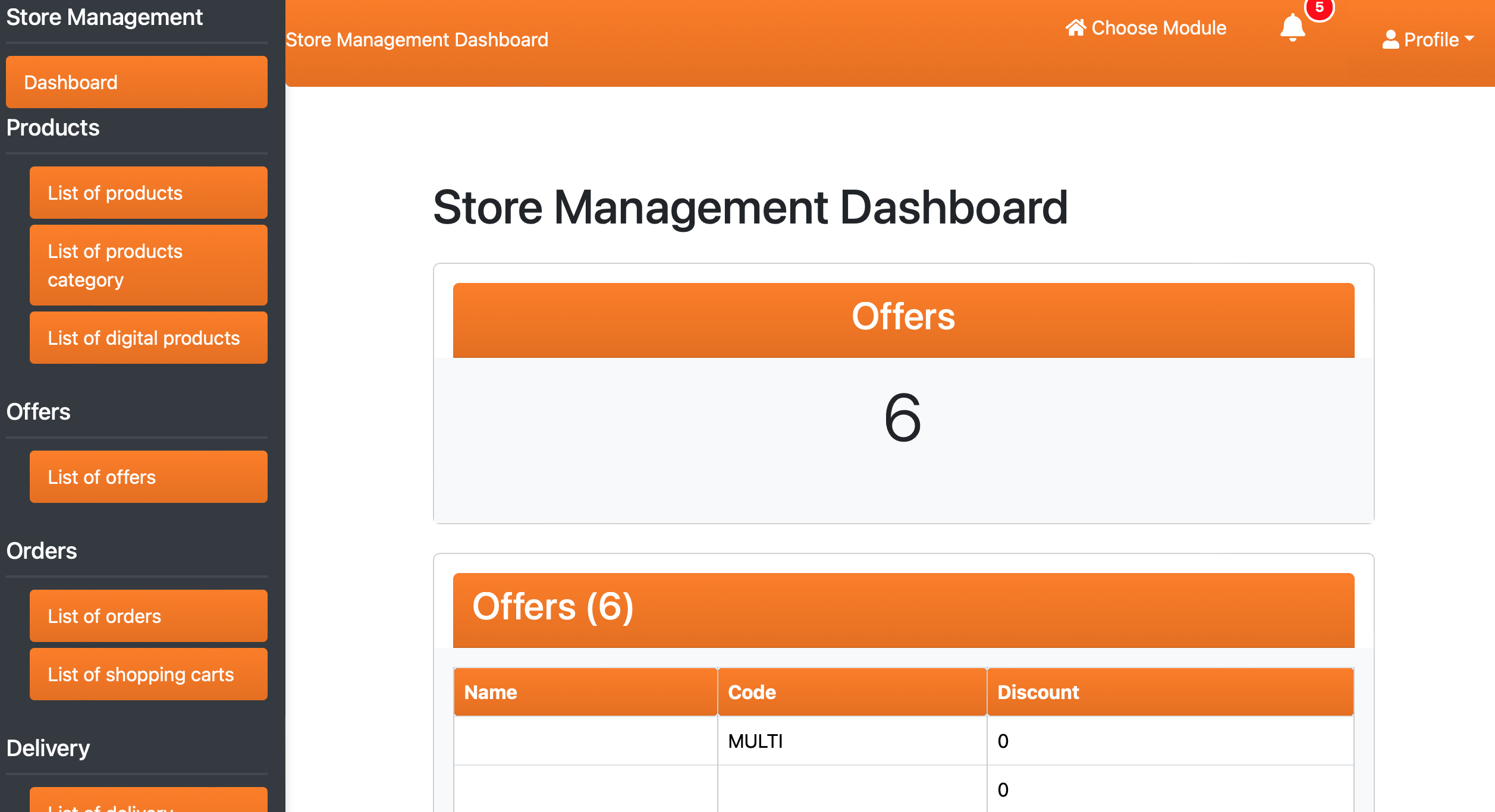
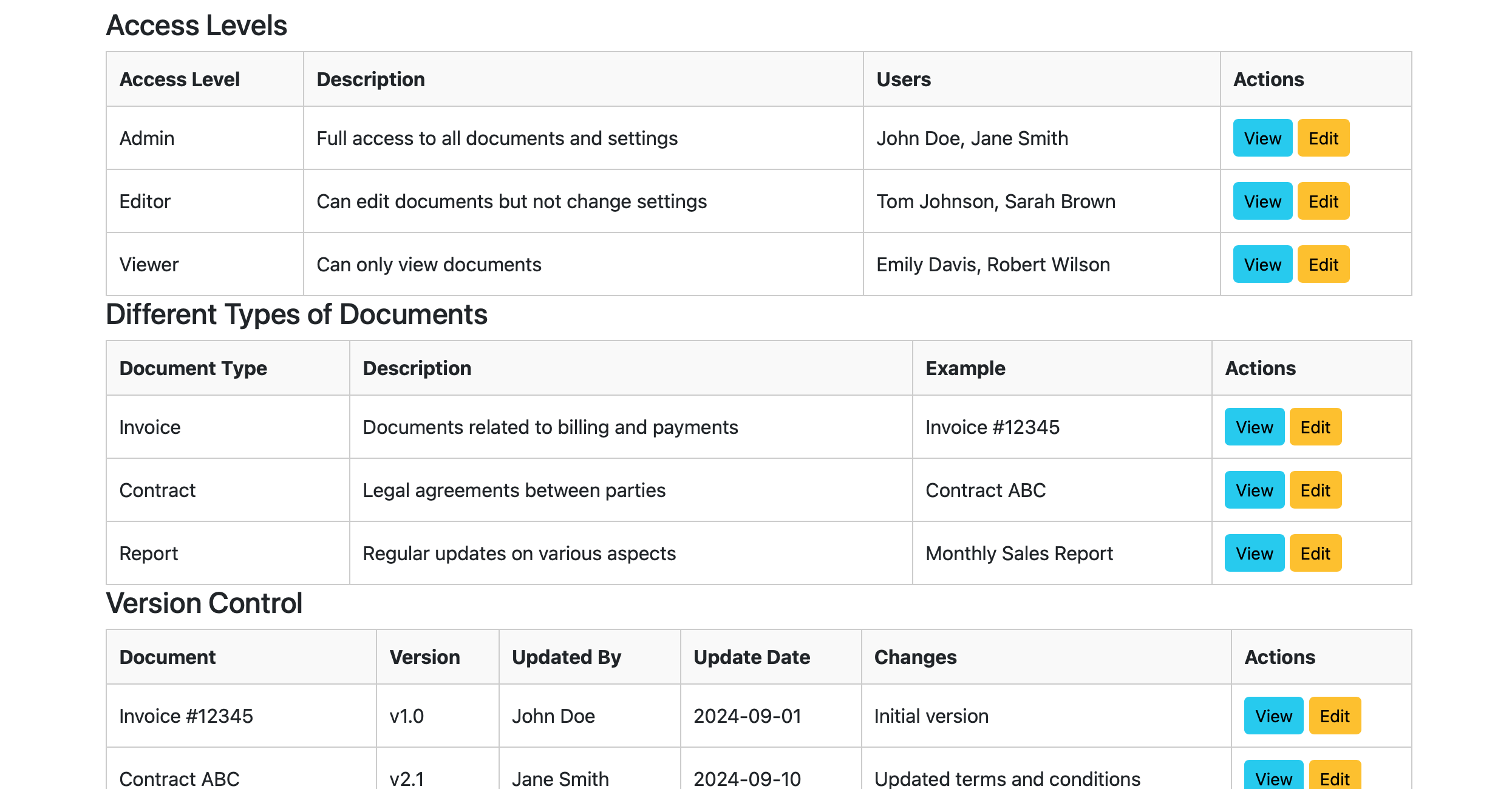
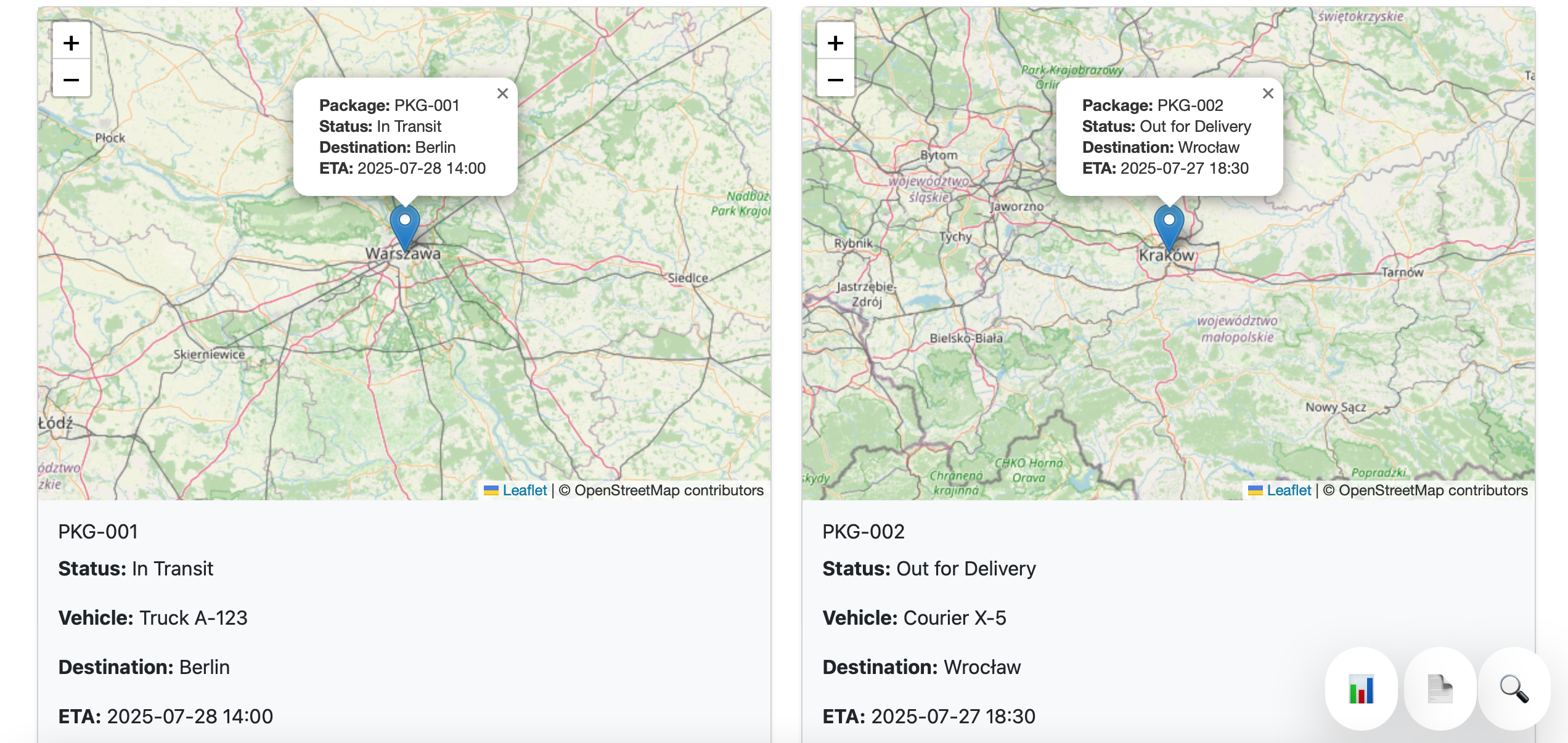
These current product screenshots anchor the solution story in existing Robo Meister modules while the pilot maps the first workflow.
Works with current stack
Keep your current systems of record. Robo Meister starts as the workflow layer around the queue, documents, approvals, and handoffs that are currently scattered.
Before / after
Before: scattered messages, documents, approvals, and spreadsheet status checks.
After: one mapped workflow with accountable owners, visible exceptions, and a measured pilot outcome.
Best fit
Less ideal
FAQ
No. The first pilot maps one workflow around your current stack and identifies only the integrations needed for that workflow.
Bring one workflow, the people who touch it, where it stalls, and what outcome would prove the pilot worked.
Success is defined as a visible workflow map, a working pilot queue, and an agreed metric such as less chasing, faster review, or fewer missed handoffs.
Boundaries
Bring one current workflow, the owner, where it stalls, and the outcome you want to improve.